

Why U.S. Companies Should Look to Pakistan for Analytics Partnerships
Pakistan offers more than cost savings—it's building a capable, scalable analytics ecosystem. Here's what U.S. companies should know about partnering for capability, not just arbitrage.
In the competitive landscape of data analytics, U.S. companies often focus primarily on cost arbitrage, seeking cheaper talent abroad. But a smarter approach is emerging: partnering for capability. In that light, Pakistan deserves a fresh look. The country is steadily building a credible analytics services ecosystem that goes beyond simply offering low-cost labour.
Talent Ecosystem and Skills Development
Pakistan's technology workforce is quietly undergoing a transformation that blends scale, skill, and global orientation. Over 20,000 IT and ITeS companies are now registered with the Securities and Exchange Commission of Pakistan (SECP), reflecting both the maturity and breadth of the country's digital services ecosystem (Business Recorder).
Beyond the corporate footprint, the government has made notable investments in upskilling. In fiscal year 2024–25, the Pakistan Software Export Board (PSEB) trained more than 6,400 professionals in advanced technologies such as data analytics, cloud computing, and AI, with an additional 3,400 candidates pursuing international certifications. Nationwide, the Ministry of IT and Telecom reports that over 600,000 Pakistanis have undergone IT and digital skills training in the past year, nearly 50,000 of them in high-end technical tracks focused on analytics, automation, and emerging technologies.
The country's broader talent engine continues to deliver results. Pakistan now counts more than 300,000 English-speaking IT professionals and produces roughly 20,000 new IT and engineering graduates each year (Board of Investment, Government of Pakistan). Many of these graduates are entering analytics, data engineering, and business intelligence roles in both local startups and export-focused service firms.
For U.S. teams, this translates into access to a growing base of data analysts, engineers, BI developers, and visualization specialists accustomed to working with global delivery models. Pakistan's IT workforce is not just expanding, it is evolving toward deeper technical capability and greater alignment with international business expectations.
This shift positions the country as more than just a cost-effective outsourcing destination. It is a scalable, English-fluent talent ecosystem designed for analytics execution and collaboration across time zones.
The Business Case: Capability + Scale at Attractive Value
For many U.S. analytics teams, outsourcing often means trading cost for risk. In Pakistan's case, you get both a competitive cost base and a growing track record of service exports, which helps mitigate risk.
According to a Payoneer report 2024, Pakistan's freelance economy contributed nearly US $400 million in export remittances for digital services, accounting for about 15% of total ICT export remittances. Payoneer
Pakistani firms are increasingly specializing in business intelligence, analytics engineering, ETL pipeline development, dashboarding, and marketing analytics for overseas clients. While independent case-study data is still limited, the export-growth numbers strongly support the notion that service capability is being scaled.
Embedding Pakistani analytics talent can help U.S. teams scale data operations quickly, without the overhead of hiring full-time in expensive markets. More importantly, it allows U.S. teams to focus on strategy and business insight, while delivery, execution, and analytics operations happen offshore.
Risks & Mitigations: Know What You're Signing Up For
Capability doesn't mean "plug-and-play perfection." Some structural issues remain, such as internet and regulatory interruptions. For instance, the Pakistan Software Houses Association warned that firewall testing and internet disruptions could cost the economy up to US $300 million in lost business (Reuters).
Quality consistency can also vary across firms. For highly specialized analytics (e.g., deep machine-learning models or advanced data science), the talent depth is still developing.
For U.S. organisations planning to partner, best-practice mitigations include:
- Running a pilot project to verify deliverables and processes.
- Requiring SLAs (service-level agreements), data-governance policies, and security audits.
- Using hybrid delivery (on-shore oversight + offshore execution).
- Providing onboarding and domain/business context to offshore teams.
Export Growth Shows Momentum
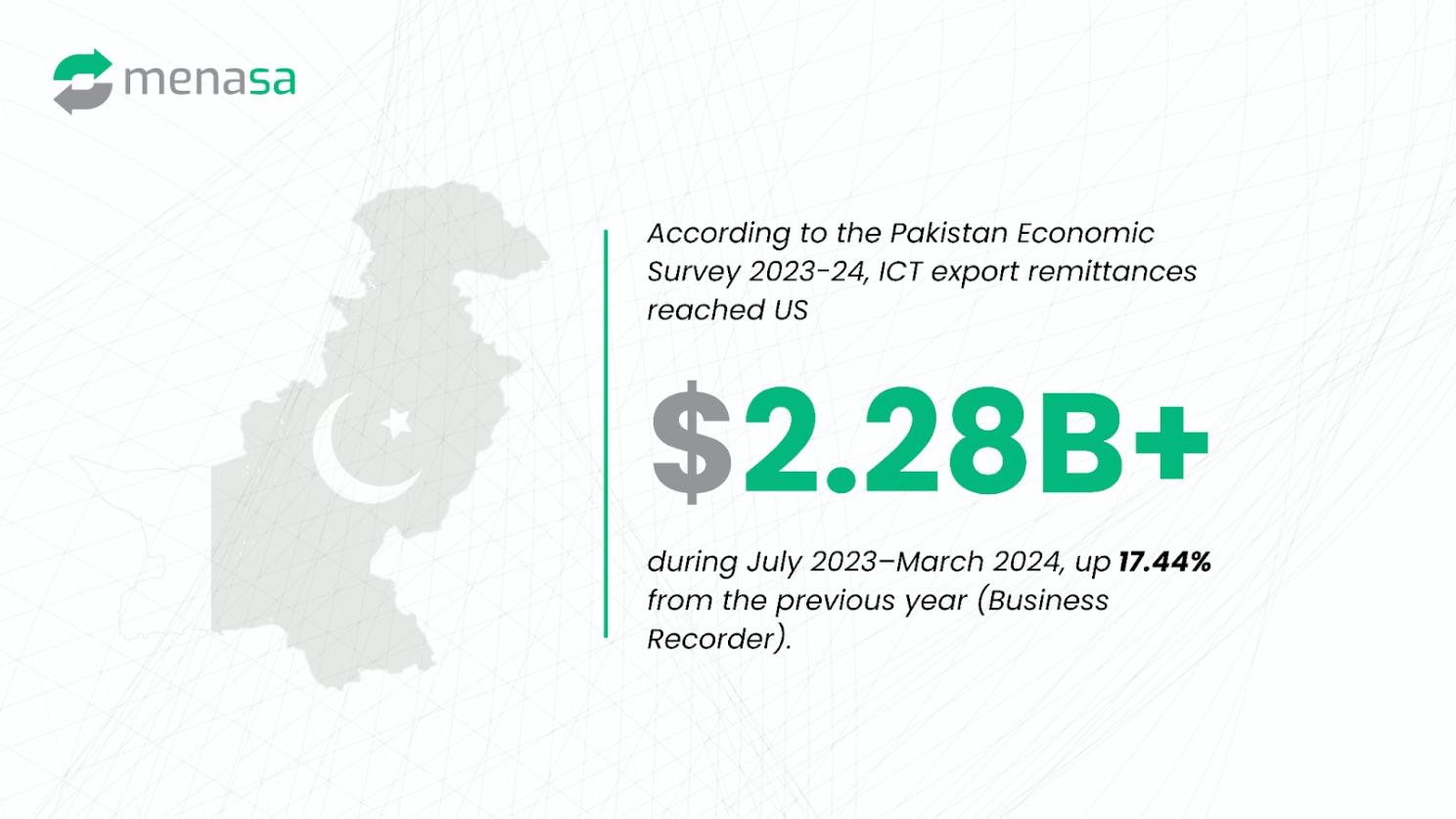
Pakistan's ICT sector exports have been proliferating. According to the Pakistan Economic Survey 2023-24, ICT export remittances reached US $2.283 billion during July 2023–March 2024, up 17.44% from the previous year (Business Recorder).
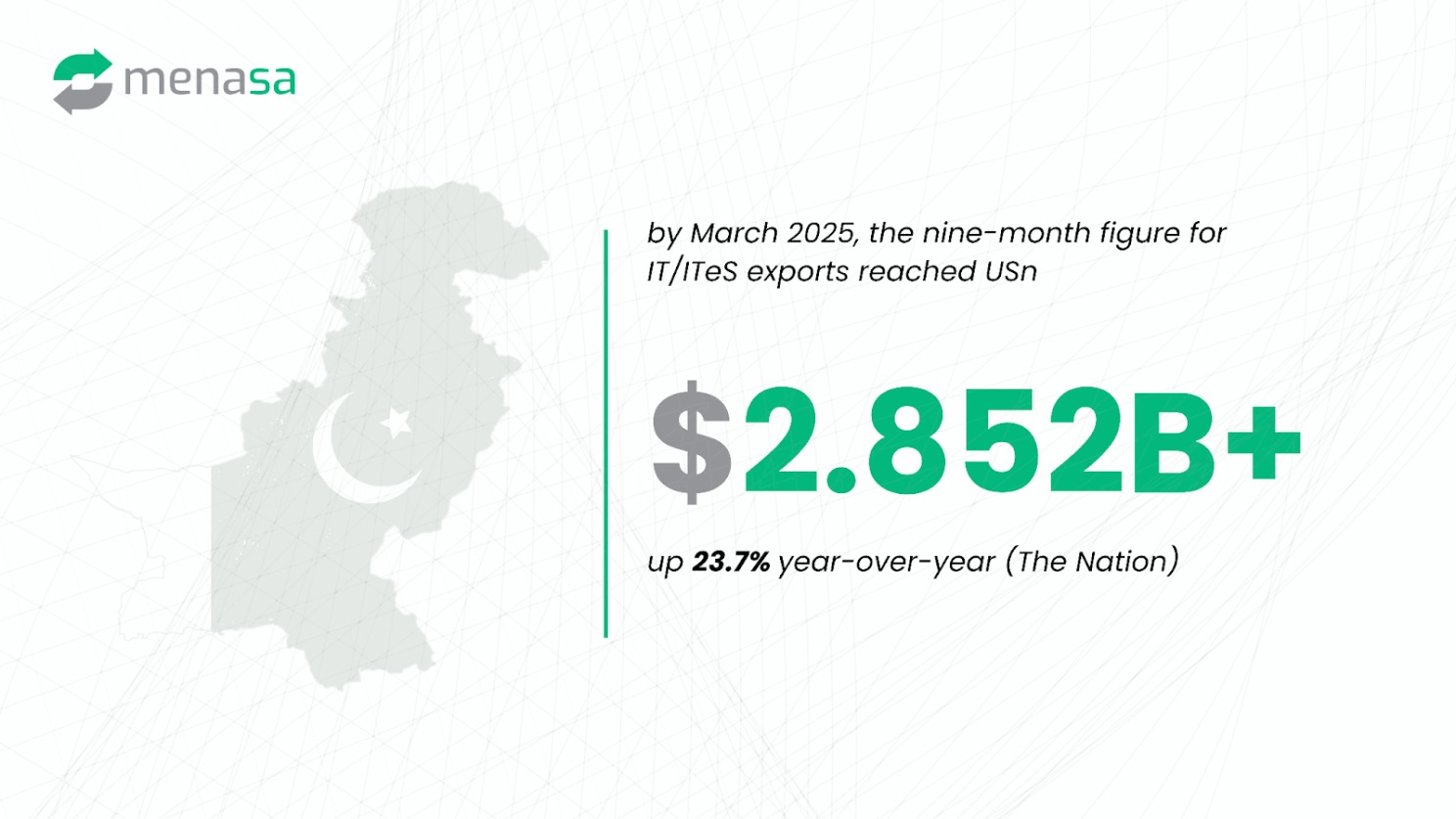
More broadly, by March 2025, the nine-month figure for IT/ITeS exports reached US$2.825 billion, up 23.7% year-over-year (The Nation).
These numbers indicate growing scale and show that export-oriented firms are already engaged in global service delivery, including analytics and data work.
How to Evaluate Pakistani Analytics Firms
When scouting partnerships, U.S. teams should apply the following criteria:
- Does the firm demonstrate portfolio or client work in analytics, data engineering, dashboarding, or marketing analytics?
- What are their delivery processes (CI/CD for data, version control, feature tracking, documentation)?
- What is the talent composition, mix of senior data engineers, business analysts, and data-viz experts?
- How are data security and privacy standards handled (critical for U.S. compliance)?
- What is their engagement model (flexibility, scalability, cost structure), and how do time zone and culture align?
Conclusion: Capability First, Cost Second
In summary, partnering with Pakistani analytics firms isn't just about cost savings; it's about accessing capable, scalable, and export-oriented analytics service teams.
The export-growth statistics show that Pakistan is increasingly integrated into global tech services. The talent pipeline is expanding, and the ecosystem is maturing. That said, risks remain, but can be managed through smart governance.
For U.S. analytics leaders looking to scale operations, accelerate insight delivery, or extend their global talent footprint, Pakistan offers a compelling trade-off: strong capability at a strong value if executed thoughtfully.

Faruk Bhagani is the founder of MenasaBD, with over 25 years of experience in international business development and enterprise partnerships. He has facilitated over $250M in deals across emerging markets and established the 147-point vetting protocol used to evaluate vendor partners.