

How Does Pakistan's STEM Talent Compare with Global Talent?
When global companies discuss future engineering hubs, Pakistan is increasingly part of the conversation. Explore how Pakistan's STEM talent compares with global peers in terms of quality, cost, and capability.
When global companies discuss future engineering hubs, Pakistan is increasingly part of the conversation—not as an outsourcing afterthought but as a serious contender in the global STEM talent race. The numbers and outcomes now speak louder than the stereotypes.
A Rapidly Expanding Talent Pipeline
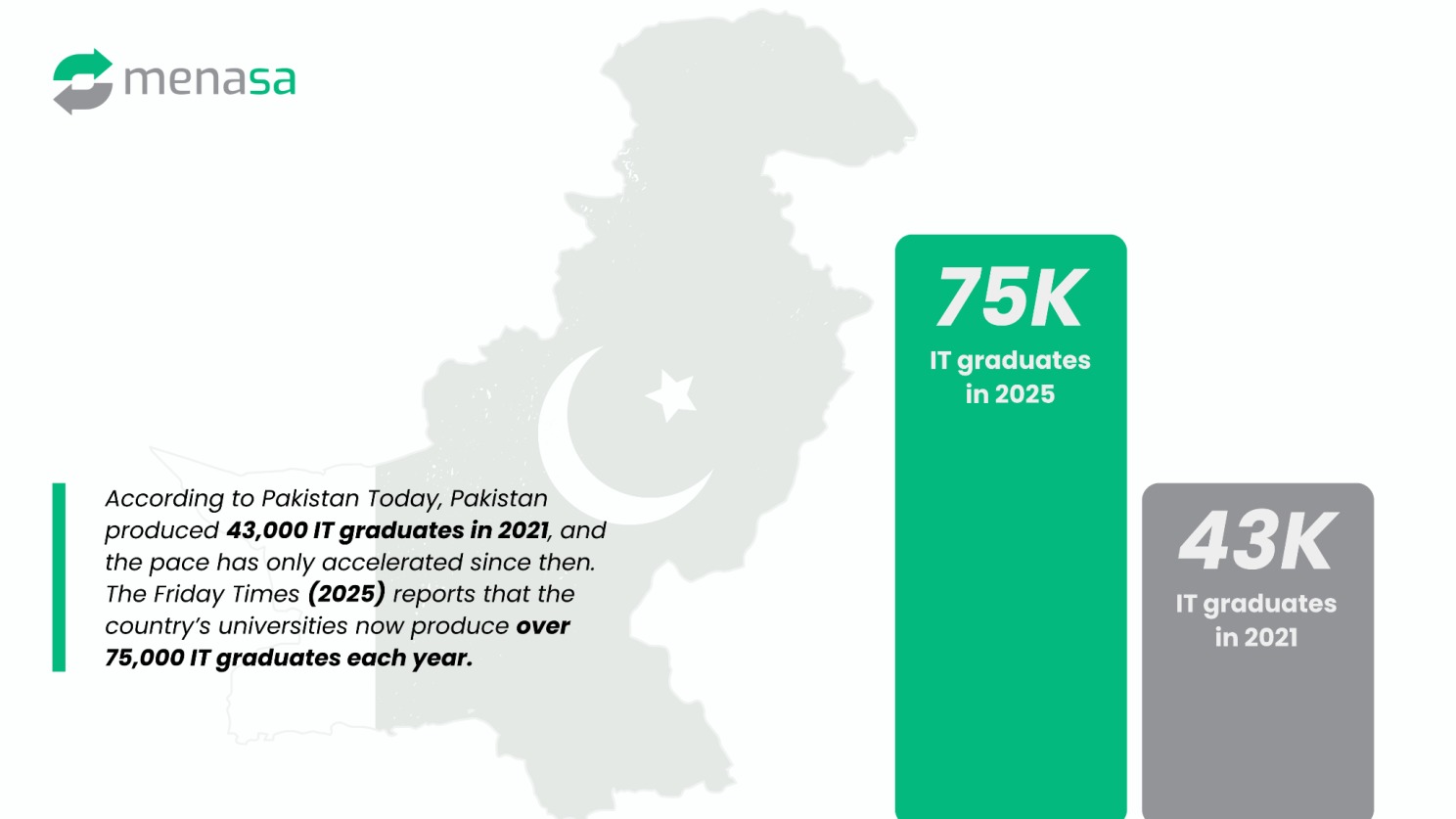
In 2021, Pakistan produced 157,102 graduates in STEM disciplines—science, technology, engineering, and mathematics—placing it among the top 12 countries globally for new technical talent. Of these, 43,000 specialised in information technology and computer sciences, forming a robust annual influx of software developers, data engineers, and AI specialists into the workforce (Pakistan Today).
While those numbers date back a few years, the pace has only accelerated. According to The Friday Times (2025), Pakistan's universities now produce over 75,000 IT graduates each year, supported by more than 250 HEC-accredited computer science programs nationwide. The Higher Education Commission (HEC) has also expanded high-end technical training, reporting that over 600,000 professionals received digital or IT upskilling in FY2024–25 through national initiatives such as DigiSkills.pk and Prime Minister's Youth Program (ProPakistani).
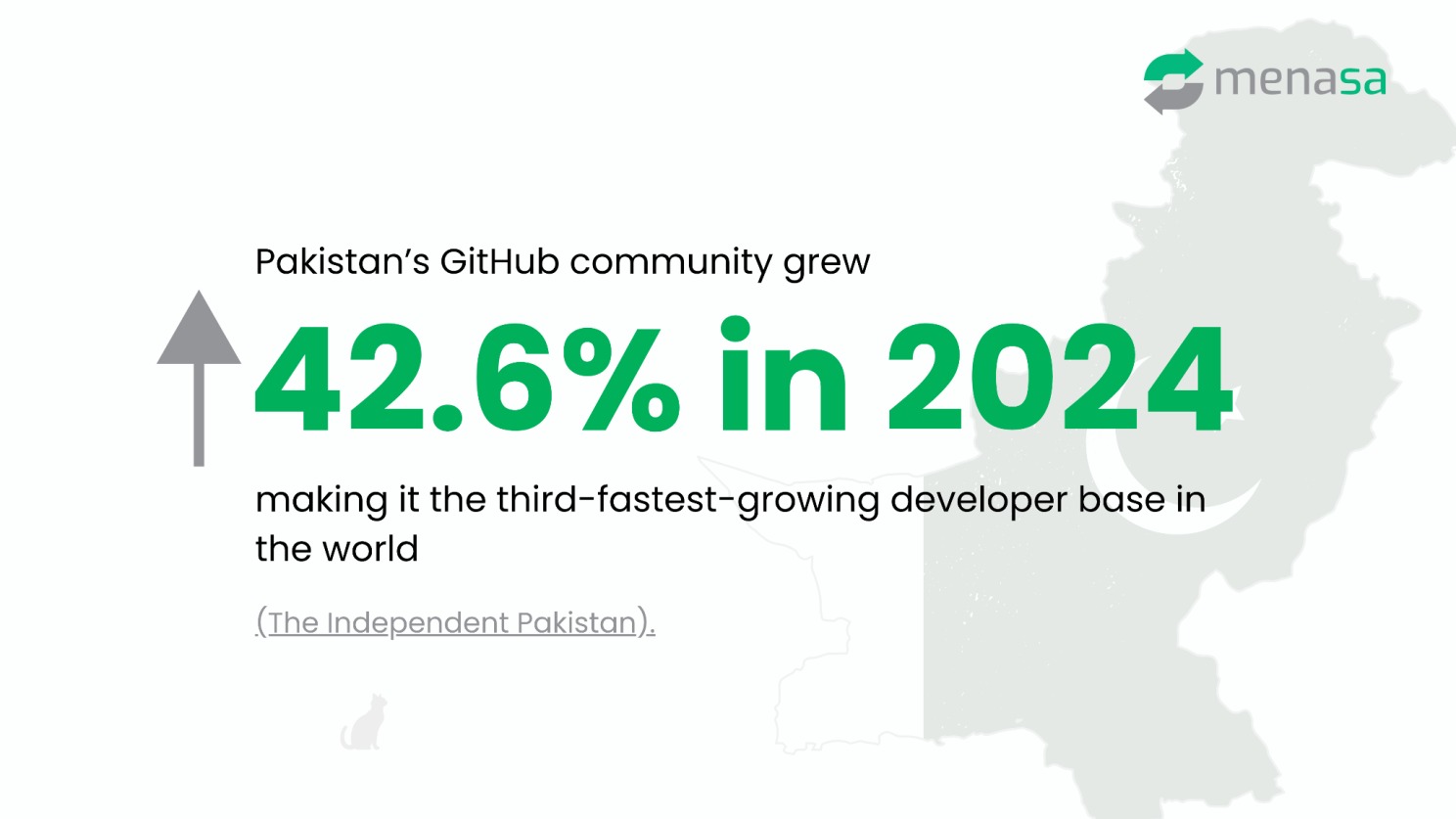
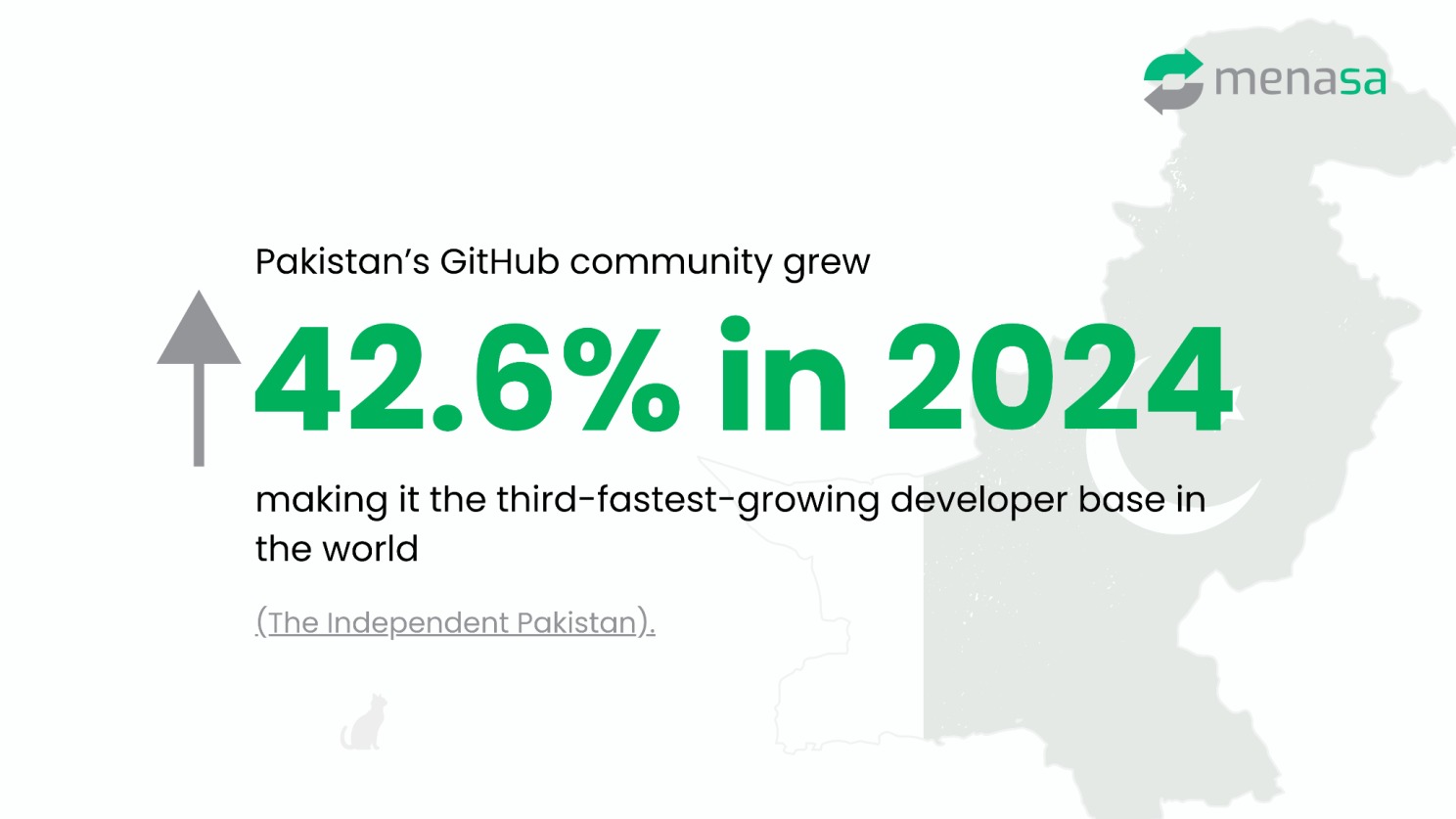
This surge isn't just on paper. Pakistan's GitHub community grew 42.6% in 2024, making it the third-fastest-growing developer base in the world, behind only India and Brazil (The Independent Pakistan).
Quality, Cost, and Capability
When compared globally, Pakistan stands out for its blend of quality, affordability, and adaptability. Average software engineering salaries hover around US$7,000 to $9,000 per year, roughly one-tenth of U.S. averages, but productivity is closing the gap fast. The DigiSkills.pk program, backed by the Government of Pakistan, has trained 4.55 million professionals in remote-ready digital skills, collectively generating US $1.65 billion in freelance earnings in 2024 alone (ProPakistani). This self-selected, upskilled talent pool mirrors the rigour and independence that distributed teams worldwide rely on.
Enterprise-Grade Output: Public and Private Success
Pakistan's IT ecosystem already delivers enterprise-calibre software across sectors.
Publicly listed pioneers like Systems Limited, the country's first IT unicorn, earned Forbes Asia's "Best Under a Billion" recognition two years in a row. NetSol Technologies provides enterprise leasing and asset-finance platforms to over 70 countries, including Fortune 500 clients.
In the private sector, companies like 10Pearls and Arbisoft exemplify global quality and client diversity. 10Pearls, founded in Karachi, employs over 1,200 engineers across five continents, delivering AI-powered products for clients such as PayPal and Johnson & Johnson. Arbisoft has developed platforms for edX, Khan Academy, and MIT, earning long-term credibility in global edtech.
They are joined by a growing cohort of product and engineering firms such as Remotebase, Tintash, and Ebryx, each building specialised teams and products for North American and European clients.
- Remotebase focuses on matching vetted Pakistani engineers with Silicon Valley startups in as little as 24 hours, helping foreign founders scale remote teams efficiently.
- Tintash, spun out of Stanford and based in Lahore, delivers product development for high-growth companies and global brands across industries, including sports tech and logistics.
- Ebryx is recognised for its cybersecurity and digital forensics expertise, partnering with Fortune 500 enterprises to secure complex infrastructures.
These firms are not outsourcing shops. They are CMMI-5 and SOC 2-certified software studios shipping secure, scalable, and compliance-ready products from Pakistan to the world. Together, they represent a new phase of maturity in Pakistan's tech services, where global delivery standards meet local engineering depth.
Language, Collaboration, and Cultural Fluency
English is the medium of instruction in all Pakistani STEM programs, and the country ranks in the "moderate proficiency" band on the EF English Proficiency Index, on par with India and ahead of most Latin American peers.
The GMT+5 time zone overlaps neatly with Europe and the Middle East, enabling real-time agile collaboration. This, combined with a workforce comfortable working across borders, makes Pakistani teams particularly effective partners for Western clients.
Public Social Proof Examples
1. Adam Parsons – Canadian offshore-talent advisor
"Talent in Pakistan is operating at Silicon Valley levels, without Silicon Valley overhead". LinkedIn Post Link
2. John Plumstead – US, Founder of Bravo Global Staffing
"When it comes to U.S. companies looking for world-class skill + affordability… Pakistanis have an edge." LinkedIn post link
3. Paul (Drake) Verge – Canada, Co-founder of Talent Trellis Inc
"Pakistan's got some of the hungriest, smartest talent out there and barely anyone's looking!" LinkedIn post link
From Brain Drain to Brain Exchange
The old "brain drain" narrative is giving way to something new: a brain exchange. Tens of thousands of Pakistani engineers power Silicon Valley startups and Gulf tech firms, but now many are returning to launch startups at home.
Ex-Googlers and ex-OpenAI engineers are founding AI-first ventures like Taza (AgriTech) and NeuroStark (HealthTech), backed by a government that has funded 1,900+ startups through National Incubation Centres (ProPakistani).
This cycle fosters cross-cultural fluency and product maturity, with U.S. and European founders often noting how Pakistani teams communicate and deliver with a balance of technical rigour and interpersonal ease.
The Verdict
When benchmarked against global peers, Pakistan's STEM talent offers scale with a top 12 graduate pipeline, momentum with 42 per cent GitHub growth, technical maturity with CMMI 5 and SOC 2 certified firms, and cost advantage with up to 80 per cent savings compared to U.S. hiring. In a tech world short on skilled, English-fluent, and globally minded engineers, the question is no longer whether to hire from Pakistan; it's how soon.

Faruk Bhagani is the founder of MenasaBD, with over 25 years of experience in international business development and enterprise partnerships. He has facilitated over $250M in deals across emerging markets and established the 147-point vetting protocol used to evaluate vendor partners.